
Your clients are already using AI. Let's get the mental health professions ready.
The summit ran on 5 October 2026. All eight sessions are now available to watch on demand: daily clinical practice, ethics, UK law, cultural bias, neurodivergence and reflective practice, with a 6-hour CPD certificate. Built for psychologists, psychiatrists, psychotherapists and counsellors.
Full recordings: £129·Student rate: £59
 Illuminated Thinking
 Lifespan Psychology
Reclaim hours of clinical time
Identify the AI tools you can use today to reduce time spent on letters, notes, formulations and routine admin, with worked examples from clinicians in private practice and the NHS.
Know where the ethical lines sit
A clear, current framework for working within HCPC, BPS and BACP guidance, covering UK GDPR, confidentiality, and what to do when a client tells you they have been using ChatGPT.
Meet clients where they already are
Clients are turning to ChatGPT, Woebot and dedicated mental health apps, often without telling you. Understand the landscape, the evidence base, and how to bring AI into the therapeutic conversation.
Who should attend
Built for everyone working in UK mental health care
Why this summit exists
Why now
More than one in three UK adults say they've used an AI chatbot to support their mental health or wellbeing, according to polling by Mental Health UK published in November 2025. Our clients are already in conversation with AI tools between sessions, often without telling us. The questions this raises about safeguarding, ethics, bias and therapeutic work itself won't wait. This summit is our answer: a day of grounded, clinician-led conversation about what AI is doing in our practice now, and what it means for the profession to face this honestly.
Summit team
Your co-hosts and production lead for the day
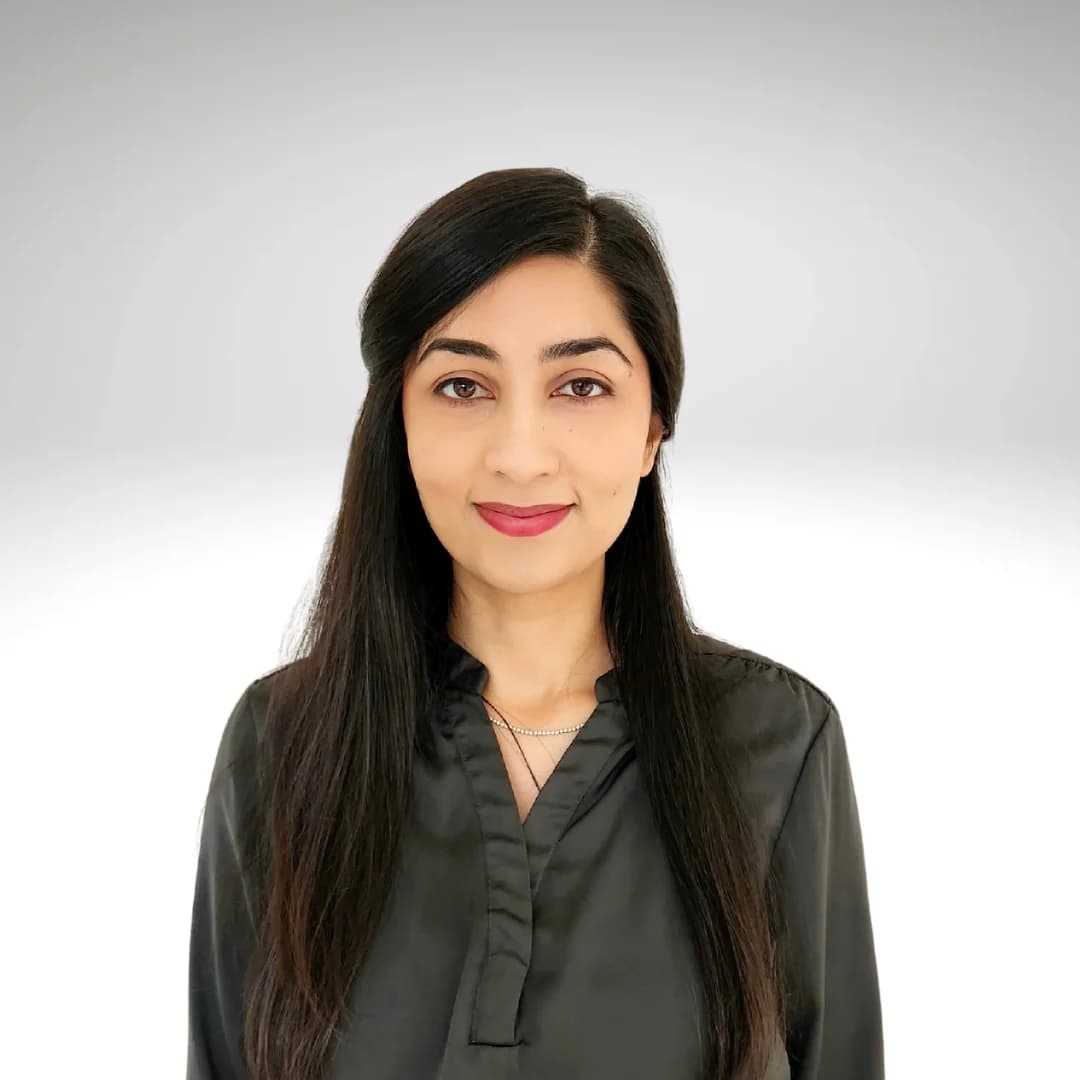
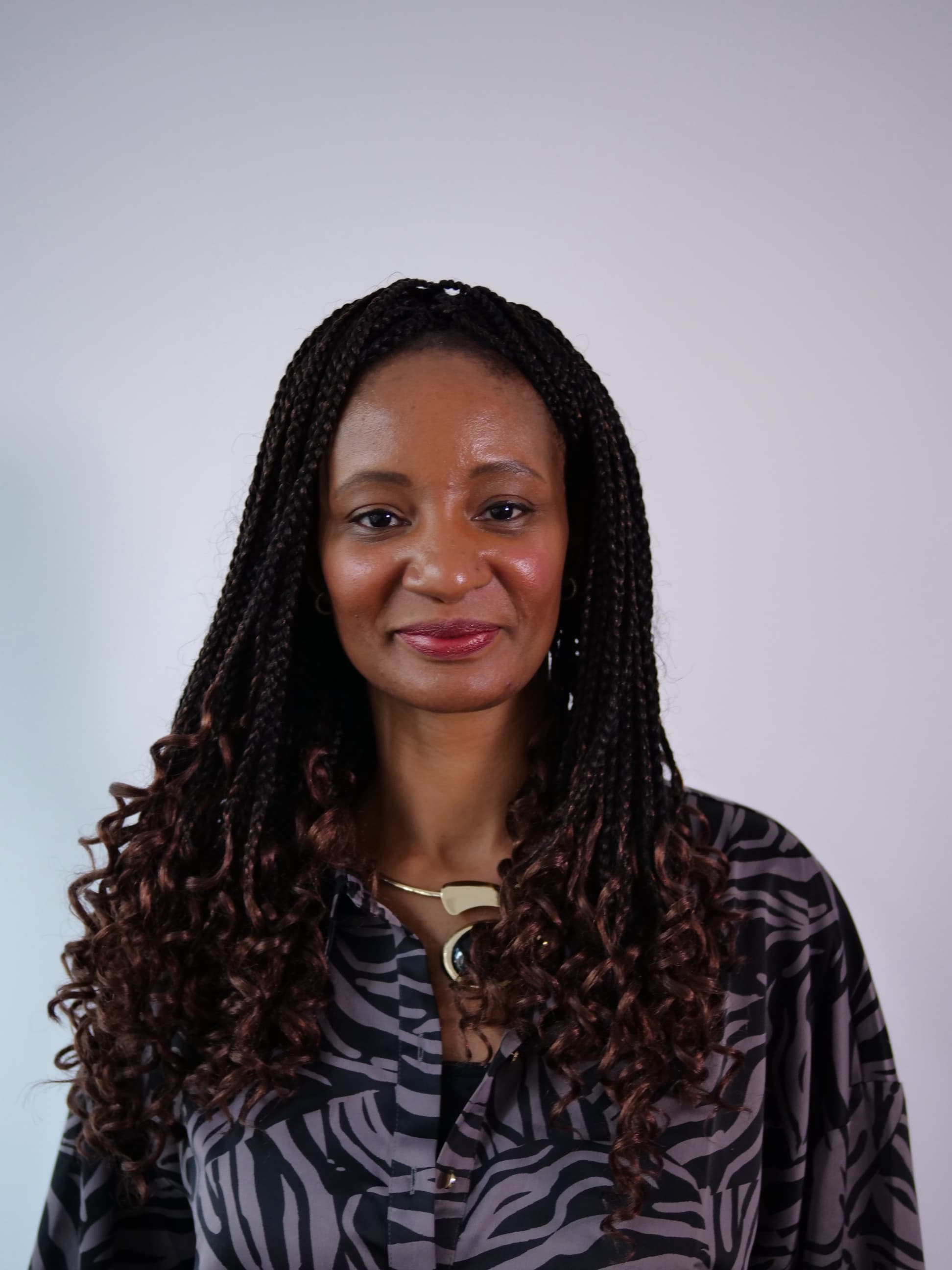
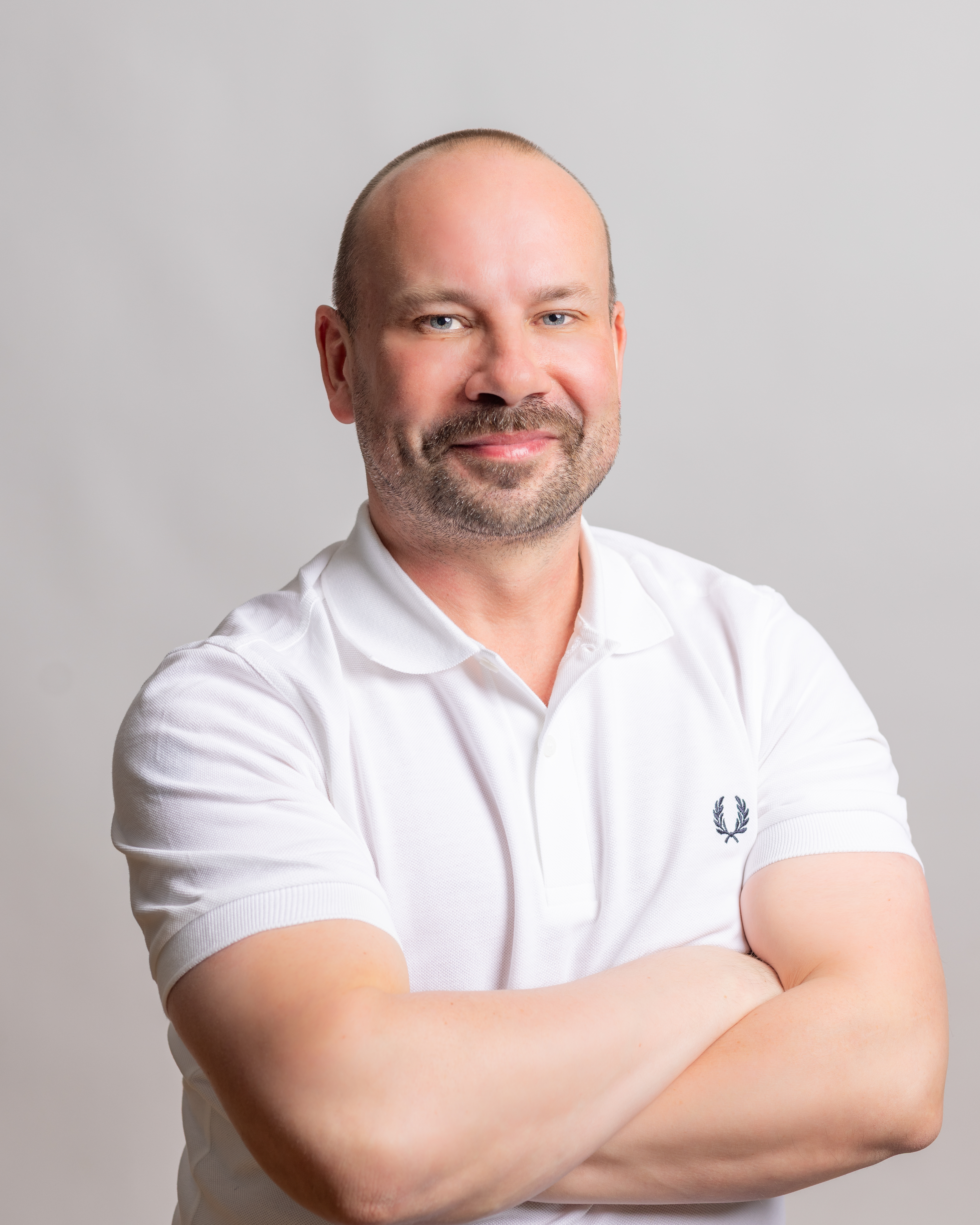
Our speakers
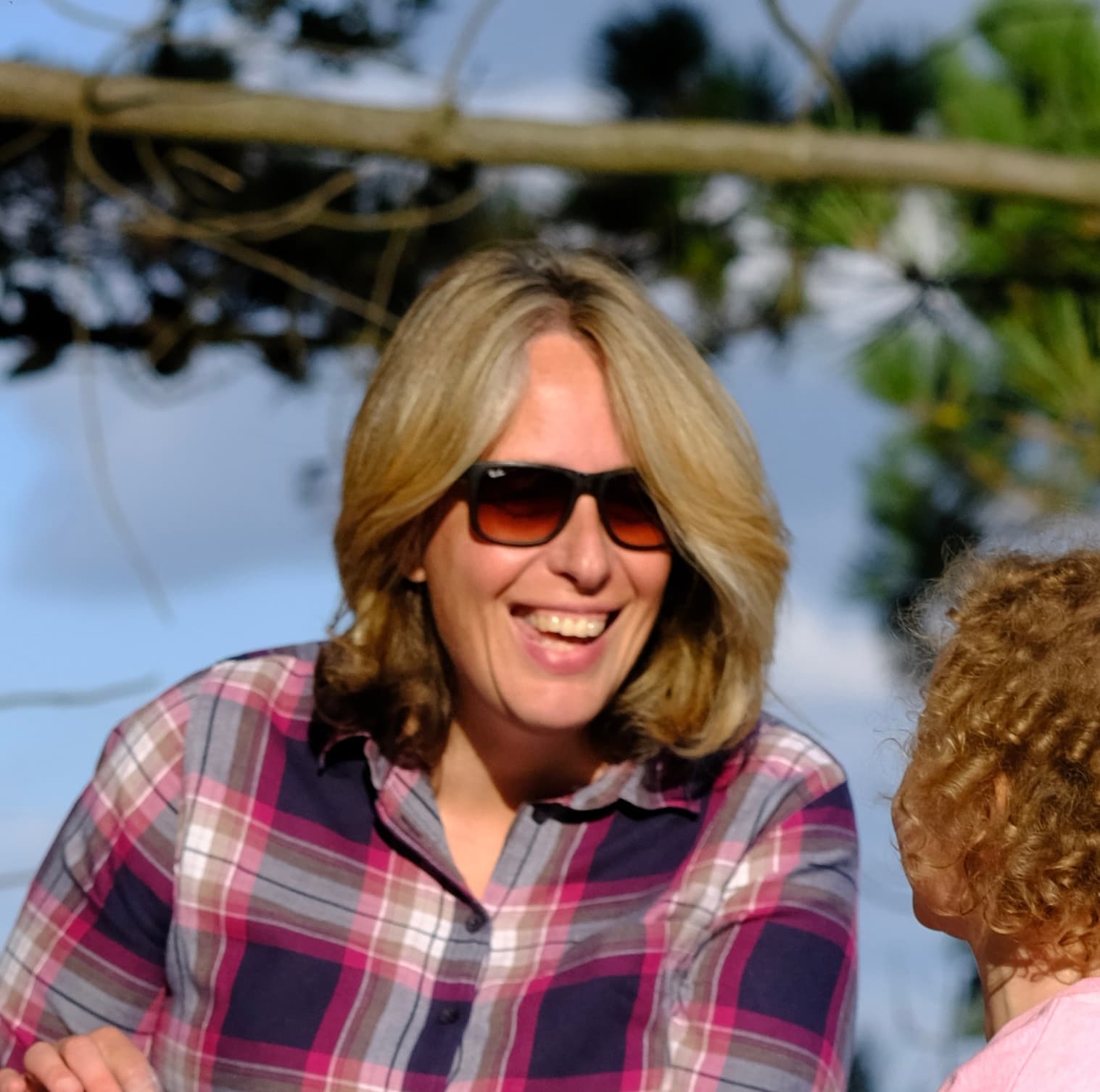
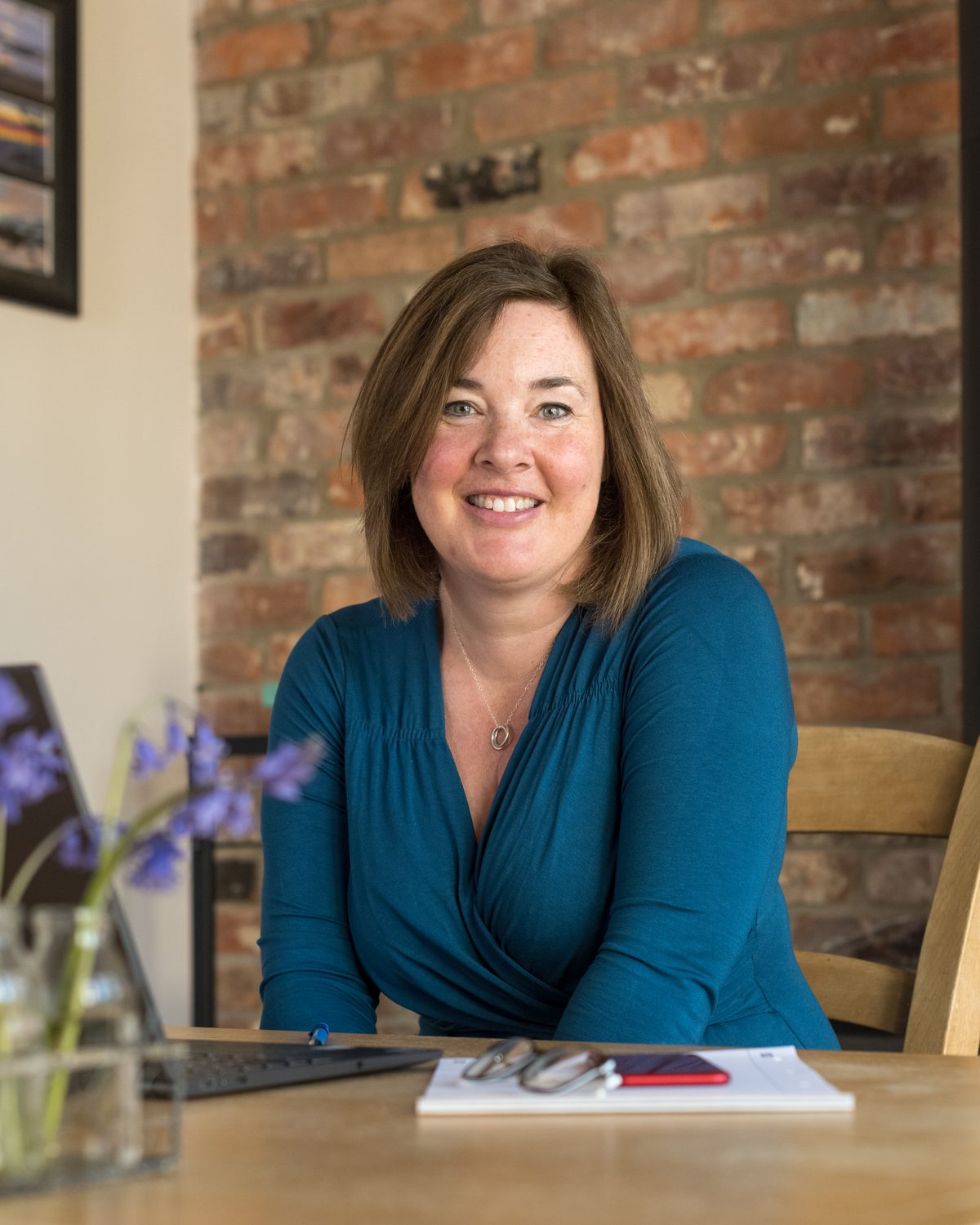
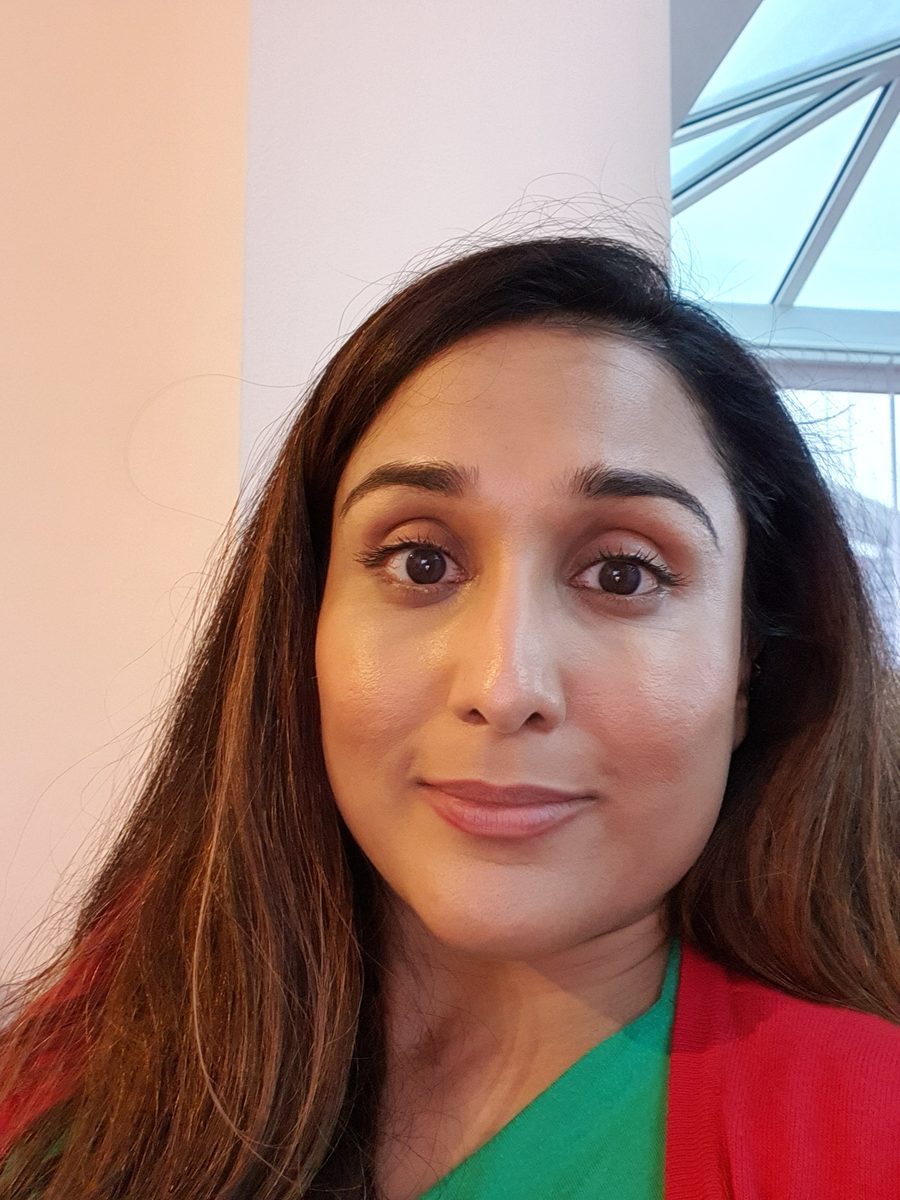
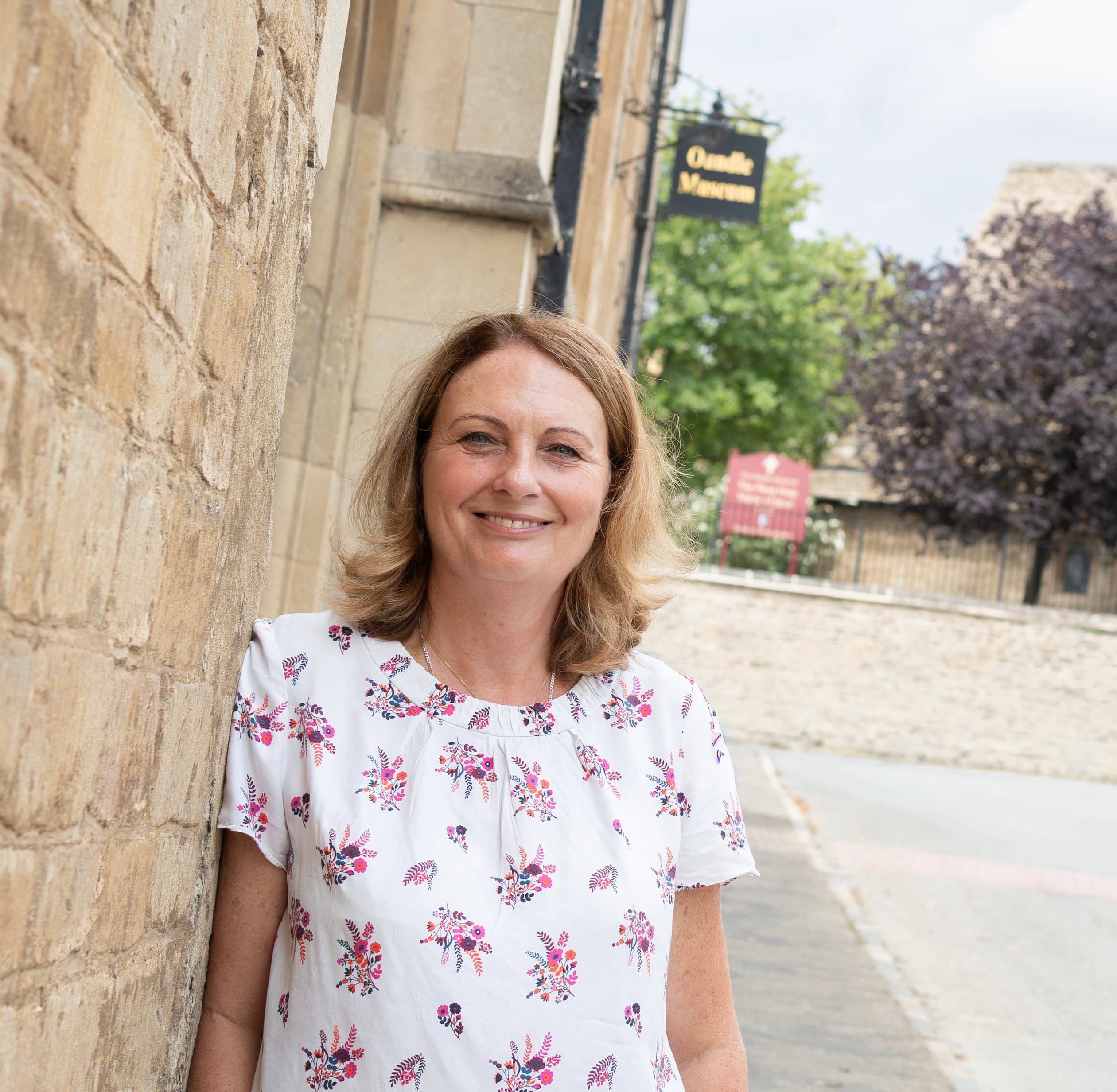
A curated panel of clinicians, researchers and legal specialists, covering daily practice, ethics, UK law, cultural bias, neurodivergence and reflective practice
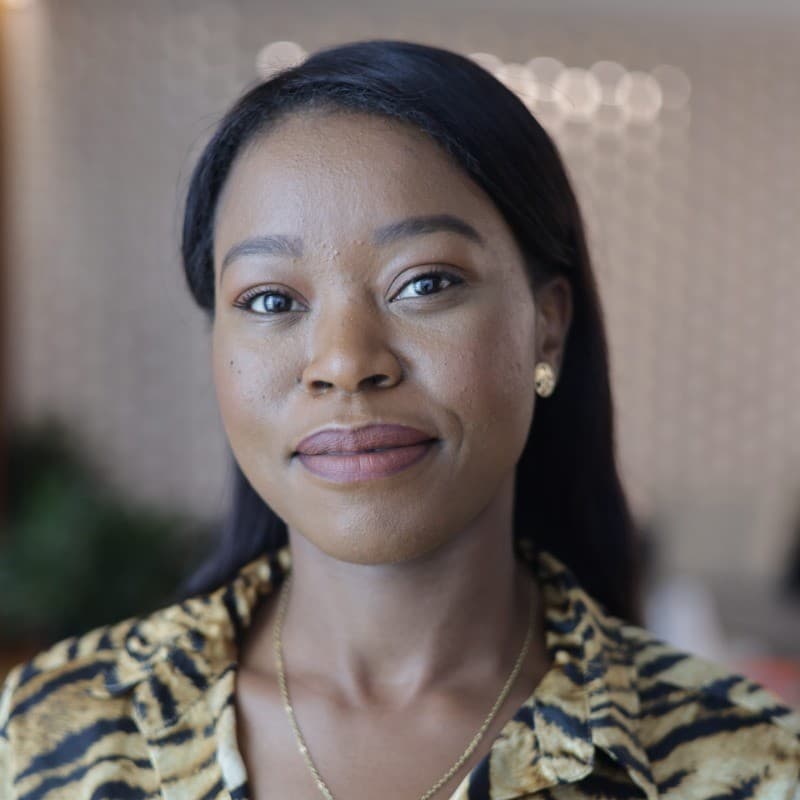

Programme
Monday, 5 October 2026 · all times UK
Introduction
Dr Aisha Tariq, Illuminated Thinking & Dr Esther Cole, Lifespan Psychology
How AI Is Reshaping the Therapeutic Relationship: What Practitioners Can Do About It
Winnie Akadjo, Aeli Health
Break
AI Tools for Neurodivergent People: Friends or Foes?
Jo Desborough, Unblocked Thinking Ltd
AI in Psychology: The UK Legal and Regulatory Landscape
Clare Veal, Aubergine Legal
Lunch
AI in Daily Clinical Practice: Beyond Note-Taking
Dr Natalie Stott, Mastering Therapy
AI, Cultural Bias and Health Inequalities
Dr Rima Lamba, Blue River Psychology
Break
Can AI Help Us Be Better Therapists? A Reflective Close
Dr Naomi Murphy, Octopus Psychology
Panel Discussion
Watch the recordings
All eight sessions on demand for 90 days, with the speaker resources and a 6-hour CPD certificate. The price you see is the price you pay. No booking fees.
Buying for a team of 10 or more? Email info@aipsychology.co.uk for 10% off.
Recordings — All Sessions
All 8 recorded sessions on demand for 90 days, with the speaker resources and a 6-hour CPD certificate.